


Vehicle Technologies of the Future
With technology revolutionising personal transportation at a rapid pace, we can expect to see major advancements on our roads in the next few years – from biometric access and car-to-car communication, to digital window displays and in-vehicle internet connectivity.
Here’s a round-up of what you can expect from the vehicles of 2017 and beyond.
Self-driving vehicles
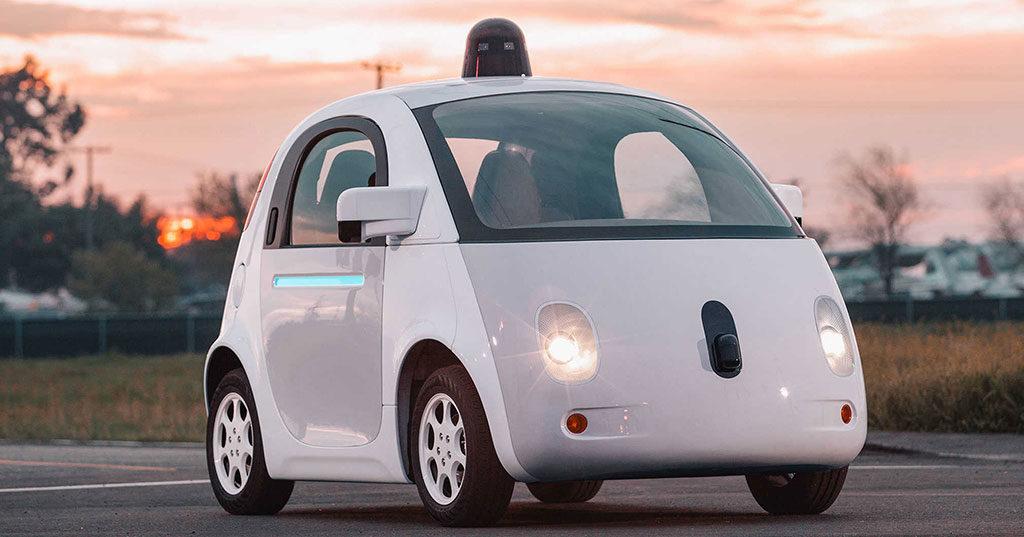
In the past few years, Tesla, Infiniti, BMW and Mercedes-Benz have all released semi-autonomous vehicles – cars that are able to navigate with minimal human input.
We can expect to see more of these in the future, as well as the introduction of autonomous vehicles within the next five years. These self-driving vehicles will use sensors to detect the car’s surroundings, and will be able to navigate and steer with very little human input.
While Google and Tesla have been testing autonomous prototypes for a while, you can expect to see self-driving cars from General Motors, Volvo, Ford, Audi, BMW and Jaguar Land Rover in the very near future.
Biometric vehicle access

© image via Continental
Cars with key-less access have become more prominent in recent years, and its safe to say that you will soon be able to unlock and start your car using either your finger, face, iris, retina or voice for identification.
Ford’s patent, which envisions a biometric access system where data is stored on an iPhone and shared with the vehicle, was approved in early 2015.
Smart-phone integration
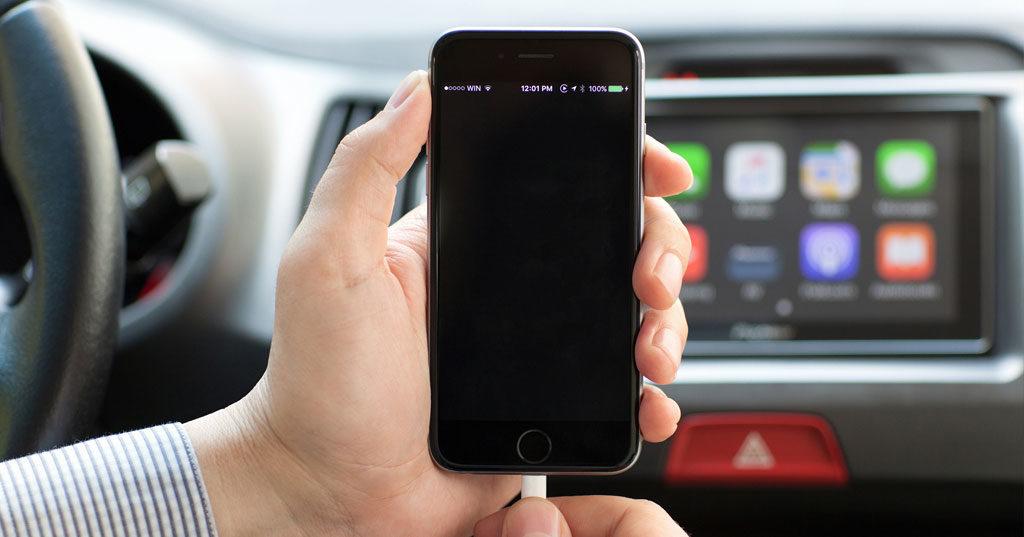
Upwards of 40 car manufacturers are already offering more than 100 models with Apple CarPlay connectivity.
With this new technology, drivers can use the in-car screen to navigate the content of their iPhones while they drive. This enables users to make use of Siri for navigation, traffic information and scheduling while behind the wheel.
Internet connectivity
© image via The Online Spectrum
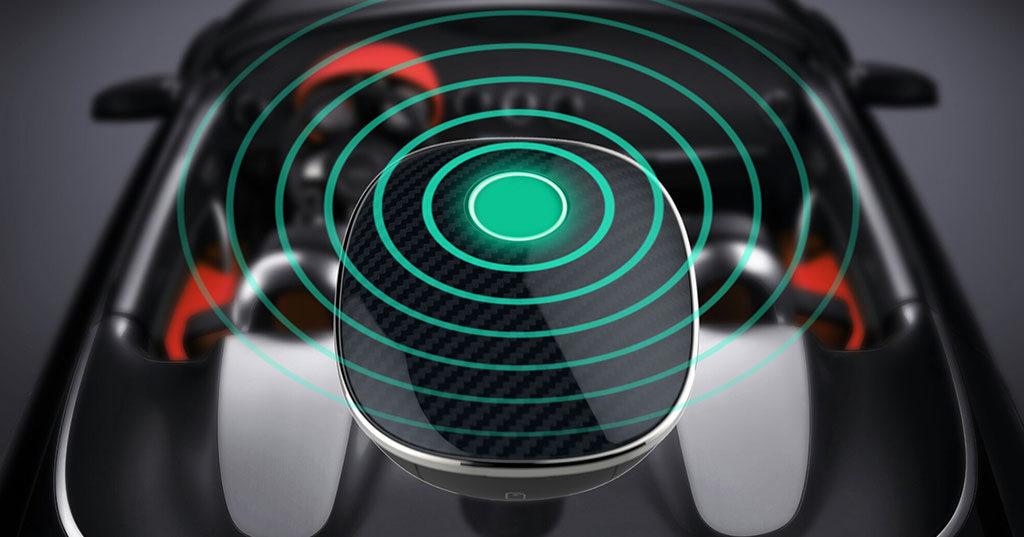
It’s estimated that nearly 25 percent of cars will have internet access in the next five years, with manufacturers such as Audi, Ford and BMW currently working on integrating internet connectivity into their latest models.
Car owners will likely pay a monthly or annual subscription for this feature, which will allow the car to function as a WiFi hotspot, enabling passengers to message and stream without interruption.
Digital window displays
© image via Rockefeller University
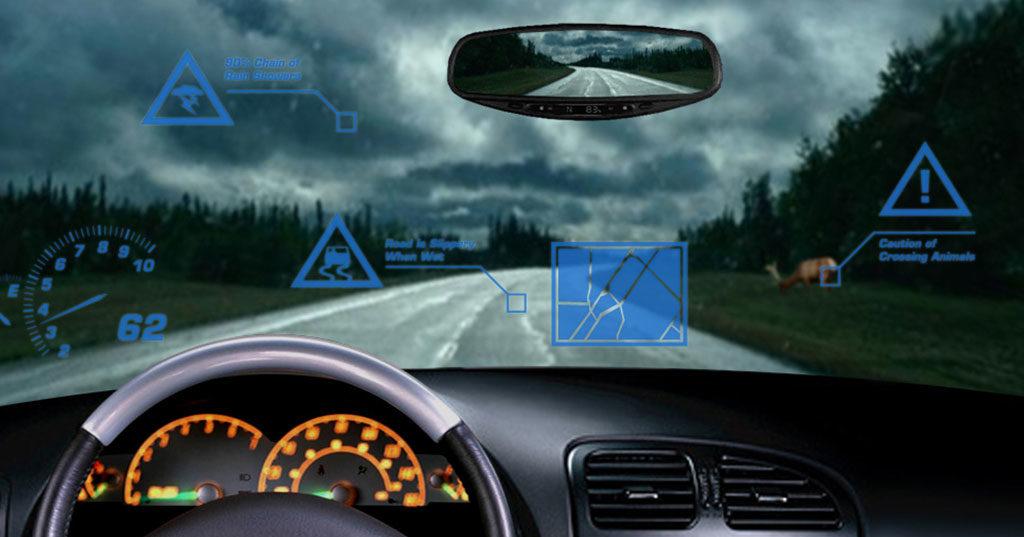
A Heads-Up Display (HUD) system projects a digital transparent image onto a screen.
This isn’t a new technology, but what is new is that we can expect to see HUDs integrated into cars in the near future. Why? HUD may have the potential to reduce distractions and increase driver safety by projecting important information – such as the distance between cars and driving directions – onto the windscreen.
Car communication systems

© image via Mercedes Benz
Thanks to technology like Intel’s M2M (Machine-to-Machine), the vehicles of the near future will be able to share data with other cars on the road. For example, they might share the locations of accidents and traffic details. Manufacturers currently developing vehicle-to-vehicle (V2V) technology include Toyota, BMW, Honda, Audi and Volvo.
Manufacturers – including BMW, Mercedes-Benz, and Daimler – are also experimenting with systems that will allow cars to communicate with devices outside of the vehicles. This technology, called Car-to-X Communication, will be available from 2017.
Intuitive safety features
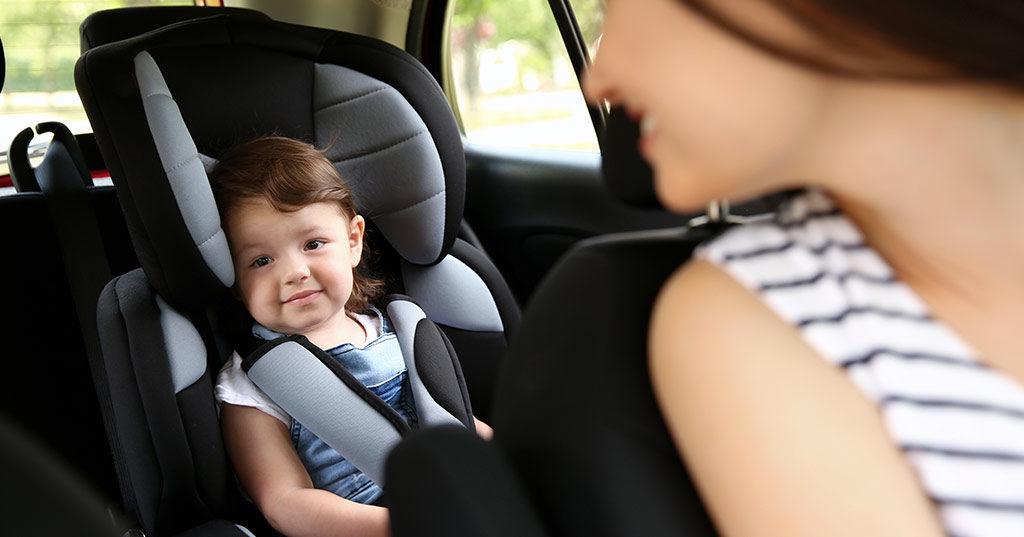
You can expect to see cars with increasingly innovative safety features, such as adaptive cruise control, electronic stability control, adaptive headlights, collision warning systems and lane-detection.
In fact, Toyota announced earlier this year that they will include Lexus Safety System +™ and Toyota Safety Sense™ packages – both with automatic emergency braking (AEB) – in almost every one of their models by the end of 2017.
Passenger health monitoring

Another feature aimed at ensuring people’s safety is health monitoring, which will track the driver’s vital statistics.
Ford is developing a car seat that can track the driver’s vitals by monitoring electrical impulses, and Audi is developing Audi Fit Driver, a system that will use smart-watches or fitness bands to track the health of the car’s driver. With the inclusion of this technology in vehicles, it’s not far-fetched to imagine that cars will soon be able to automatically pull off the road and make a call for assistance in the case of a medical emergency.
At Crown Auto Pawn, we don’t deal in the latest vehicle technologies – but we do offer a modern, convenient and safe way to secure a loan using your car, with no delays.
